The Most Important Financial Habit You Can Build in Your Late Teens and Early 20s: Your Savings Rate
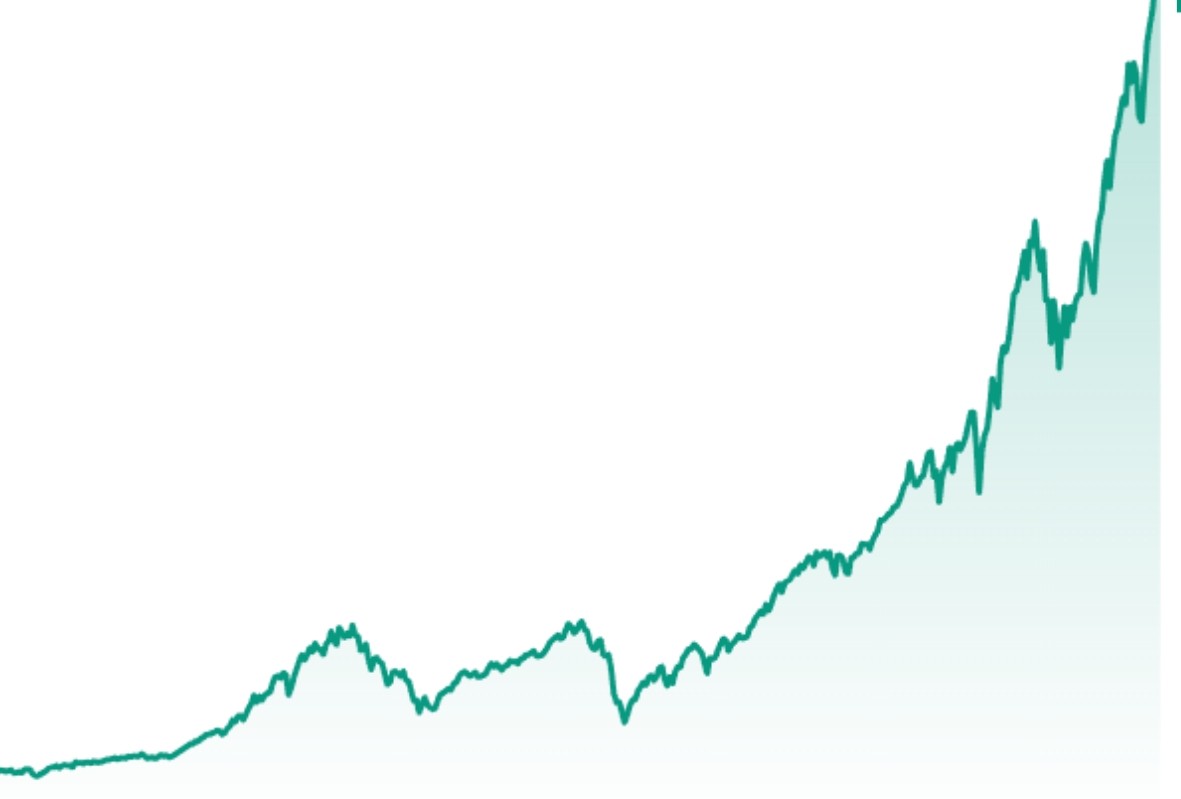
When people talk about building wealth, they usually focus on what to invest in. Stocks, crypto, real estate. All of that matters, but there is something much more important, especially when you are young.
Your savings rate matters more than your investment returns.
If you are in your late teens or early twenties, you have something incredibly valuable on your side: time. What you do with that time depends a lot on one decision, which is how much of what you earn you keep.
What is a savings rate?
Your savings rate is simply the percentage of your income that you do not spend.
If you earn 1,000 dollars and save 200, your savings rate is 20 percent. It is a simple idea, but it has a huge impact over time.
Why it matters so much early on
At a young age, your income is usually limited. You might be working part time, doing internships, or just starting your first full time job. That means you cannot rely on earning a lot yet, but you can control how much you spend.
Building a strong savings habit early does three things.
- 1.It builds discipline. You learn how to live below your means before your lifestyle starts expanding.
- 2.It gives you options. Savings give you flexibility to take risks, try new things, or change direction without feeling stuck.
- 3.It allows your money to compound. The earlier you start, the more time your money has to grow.
What should you aim for?
Your ideal savings rate changes as you move through your late teens and twenties:
Late Teens
20 – 40%
You likely have fewer expenses, so this is a great time to build the habit.
Early Twenties
20 – 30%
Expenses start to increase, but it is important not to let your spending rise just because your income does.
Mid-Twenties
25 – 40%
If your situation allows, pushing toward this range can really accelerate your progress.
The hidden factor most people ignore
Most people think building wealth is about earning more. That helps, but in your early years, spending is the real lever.
Someone earning less but saving a higher percentage can end up building wealth faster than someone earning more but saving very little.
A simple system to follow
A practical approach is to divide your money into three parts.
- Around half goes to spending
- About a quarter goes to saving and investing
- The rest is flexible for fun or unexpected expenses
If possible, automate your savings so that money is set aside before you have a chance to spend it.
The biggest mistake
The most common mistake is waiting.
People often tell themselves they will start saving when they earn more. In reality, habits do not improve automatically with income. If anything, they get harder to change.
If you cannot save when you earn a little, it will be even harder when you earn a lot.
Conclusion
Your savings rate is not just a number. It reflects your priorities and how you choose to live.
You do not need to be perfect. You just need to start. Over time, this one habit can give you something far more valuable than money, which is financial freedom.
Start building your savings rate today!