Start Building Your Credit Today
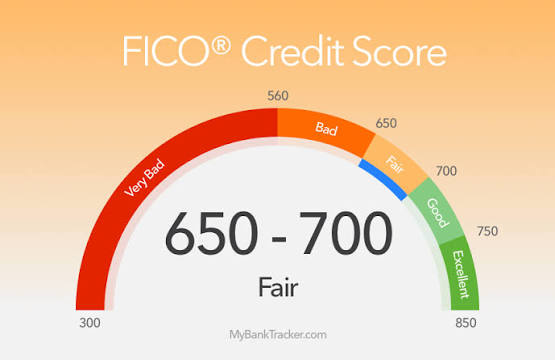
I am about to be 18 and turning 18 comes with something most people don't fully understand: access to credit. Credit isn't just about borrowing money. It's about building trust with banks, insurance companies, landlords, and eventually, your future self.
Used correctly, it gives you options. Used poorly, it takes them away.
Why Credit Matters More Than You Think
Your credit score is one of the most important numbers you have. It affects your life in multiple ways, including:
- •Whether you can rent an apartment
- •The interest rate on your car or future mortgage
- •Even job opportunities in some industries
But here's the key: Credit is not about how much you can spend. It's about how reliable you are over time.
Please continue reading for a guide on how you can build your credit, as a young adult.
Step 1: Start Small
As a young adult (18-24 years-old), your main goal is to build credit history. The easiest way to start building that credit is to open a credit card.
After you turn 18, there are basically 3 key options to open your first credit card:
- 1.Get a student credit card (Need to be enrolled at a university or community college)
- 2.Open a secured card (a card secured with a deposit)
- 3.Become an authorized user on a parent's card
Think of your first card as a reputation builder, not a spending tool.
Step 2: Use Less Than You Can
Most people think using more builds credit faster. It doesn't.
The way to maximize the credit score is to use just about 10% of your available credit.
For example, if your limit is $1,000, you should use less than $100 and pay it in full every month.
Using a small fraction of your available credit shows discipline and that's what lenders reward.
Step 3: Never Miss a Payment
This is the only rule that truly matters.
One missed payment can stay on your record for years.
I recommend setting up autopay to remove the risk entirely.
Step 4: Start as Soon as Possible
The biggest edge you have as young adult is time.
Someone who starts at 18 vs. 25:
- Has a longer credit history
- Builds trust earlier
- Qualifies for better financial opportunities sooner
Credit is one of the few systems where starting early compounds quietly.
Step 5: Avoid the Credit Card Debt Trap
Credit cards are designed to be useful, but also easy to misuse.
Avoid:
- ✕Carrying a balance
- ✕Thinking in "monthly payments"
- ✕Spending money you don't already have
If you can't pay it today, don't put it on a card.
Conclusion
Your credit history is a tool. It can give you flexibility, open opportunities, and help you achieve financial independence in the future.
Start your credit journey today!
Useful Resources
www.annualCreditReport.com
The only website authorized by Federal law to provide free annual credit reports.
www.experian.com
Offers free credit reports and FICO scores.
www.creditkarma.com
Provides free credit scores and reports from TransUnion and Equifax.
www.nerdwallet.com
Provides free credit scores and report information.